Over the past few years we have watched something interesting happen in the fitness world. Women in their thirties, forties, and fifties are walking into the weight room with more confidence than ever. They are lifting heavier. They are asking better questions. And they are paying attention to how nutrition and supplements might help them feel stronger as they age.
One supplement that keeps popping up in conversations is creatine. For years it carried a reputation as something meant only for bodybuilders or college athletes trying to gain size. That reputation stuck around for a long time. But the research has quietly been piling up and telling a very different story.
Today scientists are studying creatine for muscle health, brain function, bone support, and even how people handle fatigue and stress. That has a lot of women over 40 taking a closer look and asking whether this simple supplement might actually be worth adding to their routine.
If you spend time around the training floor at Helena Health Club you have probably heard the question too. Someone finishes a workout, grabs a water bottle, and asks one of our trainers whether creatine is something they should consider.
The short answer is that it depends on the person. The longer answer is a lot more interesting.
What Creatine Actually Does
To understand why creatine is getting so much attention lately, it helps to know what it actually does inside the body. Creatine is a compound that your body already makes. It is also found in foods like red meat and fish. Once inside your muscles it helps produce quick bursts of energy that power movements like lifting weights, sprinting, or climbing stairs.
When people supplement with creatine they are simply increasing the amount stored in their muscles. That extra supply can help your body produce energy a little more efficiently during intense activity. Over time that can translate to better strength gains and improved training performance.
For younger athletes that benefit is obvious. For women over 40 it can be even more valuable.
Why It Matters More After 40
After about age thirty our bodies slowly begin to lose muscle mass. It happens gradually at first. Many people do not notice it right away. But during the years surrounding menopause that process can accelerate. Less muscle often means a slower metabolism, reduced strength, and a higher risk of injury.
Strength training is the best defense against that trend. Lifting weights tells your body to hold on to muscle and build more of it. Creatine may help support that process by giving your muscles a little more energy to perform the work required for growth.
Women who combine regular strength training with creatine supplementation often see improvements in lean muscle mass and strength compared to training alone. The supplement itself does not magically build muscle. It simply helps you get more out of the effort you are already putting in at the gym.
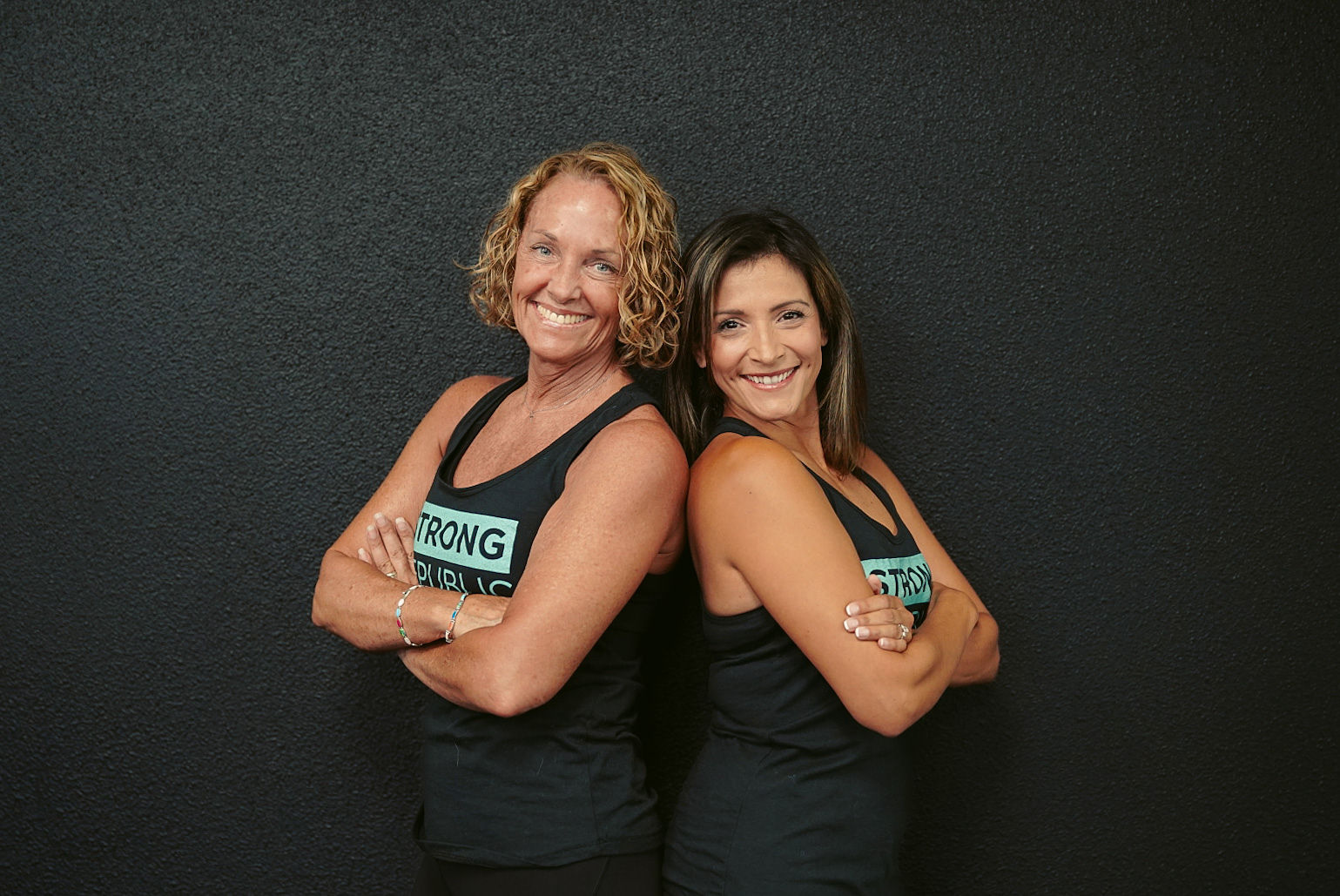
That is one reason many women who participate in our personal training programs start asking about it after a few months of consistent workouts. Once people feel stronger they naturally become curious about anything that might help them continue progressing.
But muscle is only part of the story.
The Brain Connection
Your brain uses a tremendous amount of energy throughout the day. In fact it consumes more energy than any other organ in the body. Researchers have discovered that creatine also plays a role in supporting how the brain produces and uses that energy.
Several studies have looked at how creatine affects memory, mental fatigue, and processing speed. The results suggest that higher creatine availability in the brain may help support cognitive performance during stressful situations or periods of sleep deprivation.
Think about a typical week for many adults. Work deadlines pile up. Kids have activities. Sleep sometimes becomes an afterthought. Anything that helps the brain manage energy a little more efficiently can be appealing.
While creatine is not a miracle solution for brain fog, the research suggests it may offer subtle support for cognitive performance. For many women juggling careers, families, and workouts, even small improvements in mental clarity can make a difference.
Bone Health and Creatine
Another area gaining attention is bone health.
As women move through menopause, estrogen levels decline. That hormonal shift plays a role in the gradual loss of bone density that can occur during midlife. Strength training already helps stimulate bone tissue to remain strong. When creatine is paired with resistance training some studies have found additional improvements in bone mineral content.
The exact mechanism is still being explored. One theory is that stronger muscles place more beneficial stress on bones during exercise, encouraging them to maintain density. If creatine helps people train harder or maintain muscle mass, it may indirectly support stronger bones as well.
For women thinking about long term health and independence, maintaining muscle and bone strength becomes extremely important. Being able to move confidently, prevent falls, and stay active into later decades of life depends heavily on those two factors.
Clearing Up the Myths
Of course whenever a supplement becomes popular, myths tend to follow.
A common concern people bring up is the idea that creatine causes kidney damage. That claim has circulated for years. Research involving healthy individuals consistently shows that recommended doses of creatine do not harm kidney function. People who already have kidney disease should always consult their doctor before starting any supplement, but for healthy adults the evidence supporting safety is very strong.
Another myth is that creatine leads to fat gain. Creatine contains no calories and does not directly increase body fat. Some people notice a small increase in scale weight during the first week of supplementation. That is usually due to additional water stored inside muscle cells, which is actually part of how the supplement works.
Some women worry that the extra water will make them look bloated. In reality most people never notice a visible change. If anything muscles may appear slightly fuller because they are better hydrated.
How Much to Take
When it comes to dosage the conversation is surprisingly simple.
Many people take around three to five grams of creatine monohydrate per day. That amount is enough to gradually saturate muscle stores over time. Some individuals choose to start with a short loading phase that involves higher doses for several days, but it is not necessary for most people.
The key is consistency. Creatine works by slowly building up inside muscle cells. Taking it regularly allows those levels to remain elevated and continue supporting energy production during training.
One reason creatine remains so popular among researchers is that it is inexpensive and widely studied. Few supplements have been examined as extensively in both athletic and clinical settings.
That does not mean it is required for progress. Plenty of people build strength and improve their health without ever touching a supplement. Good training, balanced nutrition, sleep, and hydration still form the foundation of results.
But for women who are already doing those things, creatine may provide a small extra advantage that helps maintain strength and vitality over the long term.
Where to Start
If you are curious about whether creatine might fit into your routine, the best place to start is with a conversation. Coaches who understand your training history and health goals can help you evaluate whether it makes sense.
That is exactly why discussions like this happen so often inside Helena Health Club. Our trainers spend their days helping members build sustainable habits that support strength, confidence, and long term health.
If you want guidance on building a smart training plan or simply want to learn more about supplements like creatine, our team is always happy to talk. You can explore our personal training programs to see how individualized coaching might help you stay consistent and continue progressing.
And if you are just getting started on your fitness journey, you can always learn more about the community and resources available at Helena Health Club. The goal is not just to work out. It is to create an environment where people feel supported as they take control of their health.
For many women over 40 that journey includes discovering tools they may not have considered earlier in life. Creatine happens to be one of those tools. It is simple, well researched, and surprisingly versatile.
At the end of the day the most powerful approach to aging well is still movement. Lift weights, stay active, eat well, and get quality sleep. Supplements like creatine are simply small pieces of a much bigger picture.
And sometimes those small pieces can help you keep doing the things you love for many years to come.