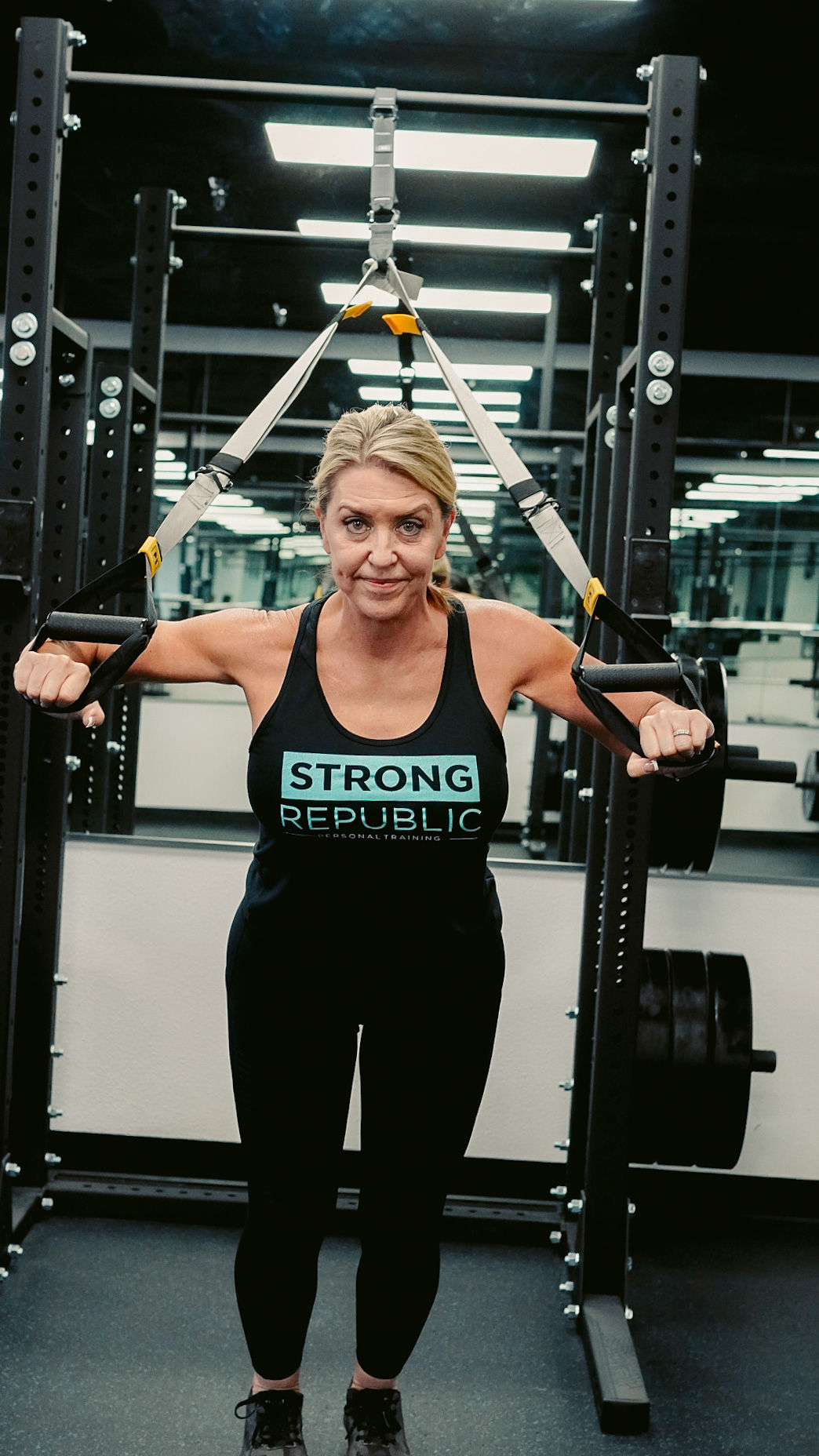
If you're in your 60s in Palm Desert and thinking about starting a fitness routine, or restarting one after years away, you're not alone and you're not too late. Research from the University of Birmingham found that adults who begin strength training in their 60s and 70s can build muscle just as effectively as highly trained athletes of the same age. That's not a motivational platitude. It's science. Your muscles don't know how old you are. They respond to stimulus at 65 the same way they did at 25, just with a bit more recovery time needed between sessions.
Here in the Coachella Valley, we see this play out every day. Many of our members at Strong Republic started their fitness journey well after 60, some after 70, and the transformations are remarkable. This guide walks you through everything you need to know about getting started, from your first week to building a routine that keeps you strong, balanced, and independent for decades to come.
Talk to Your Doctor First
Ready to Get Strong with Us?
14-Day Jump Start from $149 · Personal training from $33/session
Certified trainers specializing in adults 60+. Serving Palm Desert. No contracts.
Before starting any fitness program, get clearance from your physician. This is especially important if you have heart conditions, joint replacements, osteoporosis, diabetes, or any chronic health condition. This isn't a formality. Your doctor can help identify specific movements to avoid and give your trainer valuable information for building a safe, effective program. Bring a list of your medications too. Some medications affect heart rate, blood pressure, or balance, and your trainer needs to know about all of them.
What Your First Month Looks Like
The first two weeks are about learning the basics. A good trainer will spend your initial sessions teaching proper form, assessing your current strength and mobility, and identifying any limitations or areas that need extra attention. You should not feel destroyed after your first workout. If you walk out thinking "that wasn't so bad," that's exactly right. The goal in week one is to build confidence and learn the movements, not to push your limits.
By weeks three and four, you're building consistency. The goal at the end of month one is simple: you've shown up regularly, you're comfortable with the basic movements, and you're starting to notice small improvements. Maybe you stand up from a chair more easily. Maybe you carried the groceries in without thinking about it. Maybe you slept better than you have in months. These are the wins that matter most early on, and they're the foundation for everything that comes after.
The Four Things Your Program Needs
Strength training is the foundation. It combats sarcopenia (age-related muscle loss), increases bone density, improves metabolism, and makes everyday activities easier. You don't need heavy barbells. Machines, dumbbells, resistance bands, and even bodyweight exercises all count. Aim for 2 to 3 sessions per week with at least one rest day between sessions, focusing on compound movements that work multiple muscle groups at once: squats, presses, rows, and deadlift variations adapted to your ability level.
Balance training becomes increasingly critical after 60. Falls are the number one cause of injury-related death in adults over 65, and most falls are preventable with proper training. Every workout should include some form of balance challenge, whether that's single-leg work, stability exercises, or dynamic movement patterns that teach your body to stay stable under changing conditions.
Flexibility and mobility work keeps your joints moving through their full range and reduces the risk of injury. Stiff joints and tight muscles don't just limit what you can do in the gym. They make simple tasks like reaching overhead or bending to tie your shoes painful and difficult. Incorporate stretching after every session, and consider dedicated stretch therapy sessions to accelerate your progress.
Cardiovascular health rounds out the picture. Walking, cycling, swimming, or even brisk gardening all count. Aim for about 150 minutes of moderate-intensity cardio per week, which works out to roughly 30 minutes five days a week. Here in the Coachella Valley, early morning walks before the desert heat sets in are ideal.
Ready to Start Your Fitness Journey?
14-Day Jump Start from $149
Designed for first-timers. Fill out the form and we'll build your program.
Common Fears (and Why They're Usually Wrong)
"I'm too old to start." No, you're not. Studies consistently show that adults in their 70s, 80s, and even 90s benefit from strength training. The oldest person to ever complete a marathon was 100 years old. Your 60s are prime time to begin.
"I'll hurt myself." The risk of not exercising after 60 is far greater than the risk of exercising with proper guidance. Muscle loss, bone loss, falls, cardiovascular disease, cognitive decline: inactivity accelerates all of them. A qualified trainer makes exercise safer than sitting on the couch.
"The gym is intimidating." This is exactly why environment matters. Big commercial gyms can feel overwhelming for anyone, let alone someone who hasn't worked out in years. A private studio like Strong Republic, where every member is over 40 and every trainer specializes in your age group, eliminates that anxiety completely. You can see for yourself by reading what our members say about their experience.
"I have arthritis, bad knees, or a joint replacement." So do many of our members. A qualified trainer modifies every exercise to work around your limitations, not through them. Strength training actually helps manage arthritis by strengthening the muscles that support your joints, which reduces pain and improves function over time.
How to Choose the Right Program
Look for trainers who specialize in adults over 40. The best senior fitness programs have this expertise built in. Not trainers who "also work with seniors" on the side, but trainers whose entire practice is built around this population. They understand osteoporosis protocols, joint replacement considerations, medication interactions, and the specific needs of aging bodies. Look for small group or semi-private settings where you get personalized attention along with the community and accountability that comes from training alongside peers your age.
Your program should include progressive programming that evolves as you get stronger. If you're doing the same exercises at the same weight after three months, something is wrong. And the environment should feel welcoming. Visit the facility, meet the trainers, and talk to current members before committing to anything.
Getting Started with Fitness After 60 in Palm Desert
Palm Desert has an incredibly active community of adults over 60 — golfers, pickleball players, hikers, and people who simply want to stay strong and independent well into their 70s and 80s. The question we hear most is: "Where do I even start?" The answer is a studio built specifically for people like you, not a big box gym where you're left to figure it out alone.
Our Palm Desert studio serves adults from Palm Desert, Rancho Mirage, Indian Wells, and the surrounding area. We've helped men and women in their 60s and 70s build their first real fitness routine — from complete beginners to people restarting after surgery or a long break. Small groups, expert trainers, no intimidation. Start with the 14-Day Jump Start from $149, or call (760) 508-1993 to ask questions first.
If you're in Palm Desert, La Quinta, or Palm Springs and ready to start your fitness journey after 60, Strong Republic was built specifically for you. We're the Coachella Valley's only fitness studio exclusively serving adults 40+, and many of our members started in their 60s with zero gym experience.
Our 14-Day Jump Start program is designed for exactly this moment. It's a low-pressure way to experience our training, meet our coaches, and see if we're the right fit. $149 for 4 sessions or $199 for 6. No long-term commitment required. You can also learn more about our senior fitness programs or explore our training programs for women.