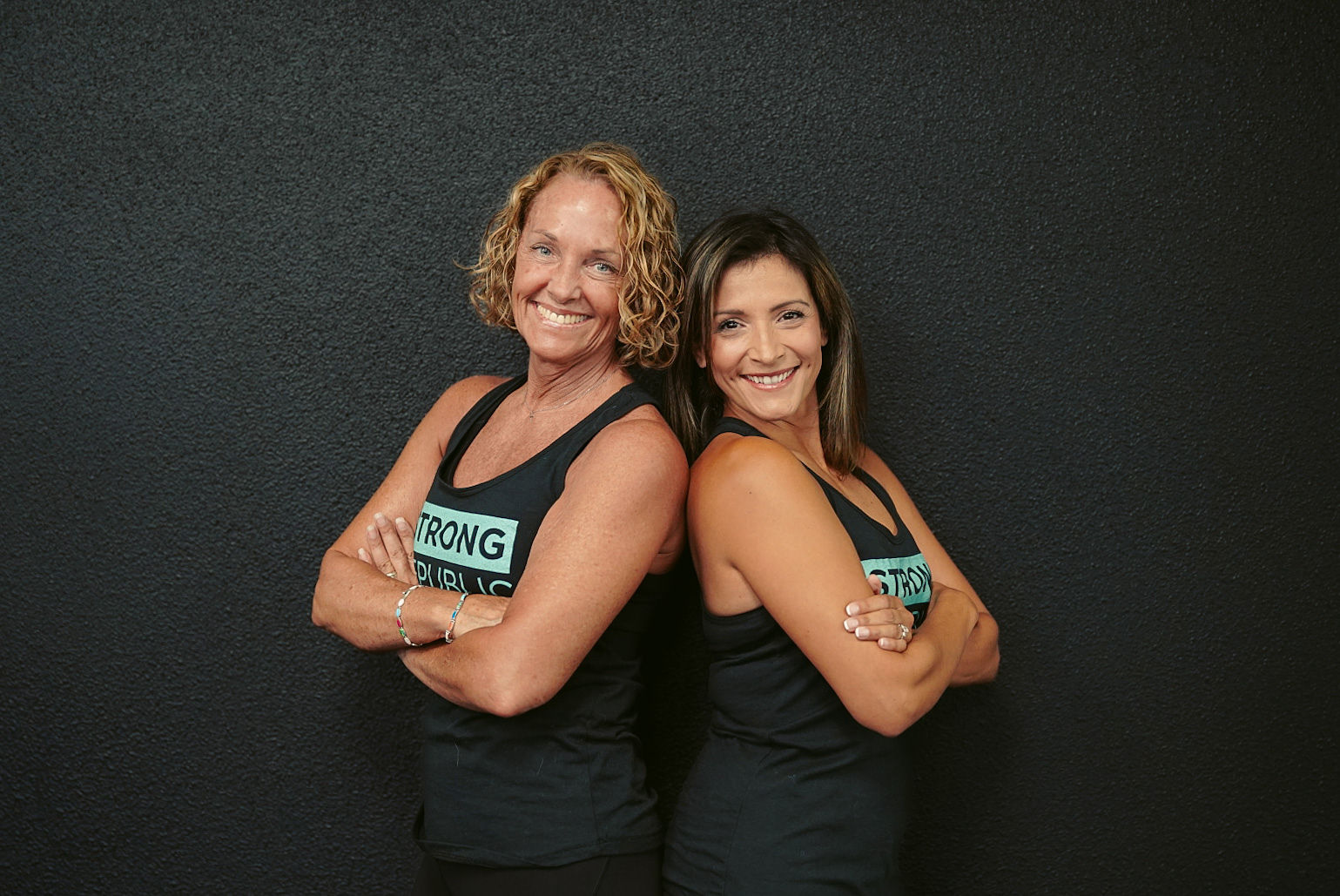
After working with hundreds of adults over 40 at our Palm Desert, La Quinta, and Palm Springs studios, the same patterns show up again and again. Good people with good intentions making the same handful of mistakes that kill their results, lead to injuries, or just burn them out until they quit.
Every single one of these is fixable. Most of them immediately. Here's what we see and what to do instead.
Training Like You're Still 25
Ready to Get Strong with Us?
14-Day Jump Start from $149 · Personal training from $33/session
Certified trainers specializing in adults 40+. Serving Palm Desert. No contracts.
You were an athlete in college. Or you used to run marathons. Or you just remember being in great shape. So you jump into a bootcamp class or grab the weights you used to lift and go hard on day one.
Your body at 45 is a different machine than it was at 25. That's not a motivational problem. It's biology. Your muscle mass has been declining for over a decade. Your joints have more wear on them. Your recovery system is slower. Your collagen production has dropped, which means your tendons and ligaments aren't as resilient as they used to be. None of this means you can't get into incredible shape. It means you need to be smarter about how you get there.
Fix it: Spend the first 2 to 4 weeks establishing proper movement patterns with lighter weights. Build a base before you push intensity. Your ego will resist this. Ignore it. The people who start conservatively and progress steadily always outperform the ones who come in hot and get hurt in week two. Read more in our guide on why strength training matters after 40.
Avoiding Strength Training
You walk every day. Maybe you bike or swim. You feel like that should be enough. Or you've avoided the weight room because you think you'll "bulk up" or because the whole idea feels intimidating.
Cardio is good for your heart. But it does almost nothing to address the things that actually change your body composition, protect your joints, strengthen your bones, and keep you independent as you age. You're losing 3 to 8 percent of your muscle mass per decade after 30, and only strength training reverses that. Walking 10,000 steps a day is excellent. But it won't build the muscle that keeps you off the floor if you fall, won't improve the bone density that prevents a hip fracture, and won't fire up the metabolism that's been slowing down for years.
Fix it: Add strength training 2 to 3 times per week minimum. Focus on compound movements like squats, deadlifts, presses, and rows. And don't worry about bulking up. After 40, with declining hormones, building excessive muscle is nearly impossible without serious pharmaceutical help. What you'll actually get is a leaner, stronger, more capable body. Our best exercises over 40 guide shows you exactly what to do.
Ignoring Recovery
You train 5, 6, 7 days a week because more must be better. Rest days feel lazy. You push through soreness because that's what tough people do.
Recovery is when your body actually builds the muscle and gets stronger. Training tears fibers down. Rest and nutrition build them back up better than before. Skip the recovery and you're just tearing yourself apart without ever rebuilding. After 40, this matters even more because your recovery capacity is naturally lower. The warning signs are clear: soreness lasting more than 3 days, declining performance despite consistent training, trouble sleeping, getting sick more often, and feeling irritable or burnt out for no clear reason.
Fix it: Plan 1 to 2 complete rest days per week. On off days, do something light like walking, gentle stretching, or swimming. Our stretch therapy sessions are specifically designed for active recovery between training days. And if your body is genuinely telling you to take an extra day off, listen to it. An extra rest day is always better than a preventable injury.
Skipping Mobility Work
You skip the warm-up. You never stretch. Mobility work sounds boring and you don't have time for it anyway.
Flexibility and mobility decline naturally with age, and the loss is so gradual you don't notice until one day you can't comfortably tie your shoes, reach an overhead shelf, or get in and out of your car without stiffness. Poor mobility also limits your strength training. If tight hips prevent you from squatting to proper depth, you're not getting the full benefit of the exercise no matter how much weight you put on the bar.
Fix it: 5 to 10 minutes of dynamic warm-up before every workout. Dedicated mobility work 2 to 3 times per week. And consider adding professional stretch therapy to your routine. It's designed for adults over 40 and it makes a real difference in how your body moves and feels within weeks.
Stop Making These Mistakes
Expert-guided training from just $33/session
Fill out the form and we'll create a program that avoids every mistake on this list
Lifting with Bad Form
You rush through exercises, use momentum instead of muscle control, round your back during deadlifts, or let your knees cave in during squats. Maybe you crank out partial reps just to use more weight.
Poor form doesn't just limit your results. It causes injuries. And injuries after 40 take significantly longer to heal than they did in your twenties. A tweaked back at 25 might sideline you for a week. The same injury at 50 can derail your training for months. A perfect squat with 50 pounds builds more strength and protects your joints better than a sloppy squat with 100 pounds. Every single time.
Fix it: Work with a qualified trainer to learn proper form on every exercise you do. Film yourself periodically to check your technique. If your form starts breaking down during a set, stop and reduce the weight. Master the movement pattern first. Add load later.
Not Eating Enough Protein
You're eating 40 to 60 grams of protein a day because you're "not trying to be a bodybuilder." Meanwhile your muscles are starving for the raw material they need to recover and grow.
Protein needs actually increase after 40 because your body becomes less efficient at using it. This is called anabolic resistance, and it means you need more protein per meal to trigger the same muscle-building response you got easily at 25. The target for adults over 40 who are training is about 0.7 to 1.0 grams per pound of body weight daily. For someone weighing 150 pounds, that's 105 to 150 grams. Most people are eating half that. If you want the full breakdown on what to eat and when, our nutrition guide for adults over 40 covers everything in detail.
Fix it: Track your protein for one week to see where you actually stand. Include 30 to 40 grams at every meal from sources like chicken, fish, lean beef, eggs, Greek yogurt, cottage cheese, and a quality protein powder for convenience. Our Strong Elite Nutrition program includes personalized guidance that takes the guesswork out of eating for your goals.
Going It Alone Without Guidance
You're cobbling together workouts from YouTube, following a program written for a 25-year-old, or just wandering around the gym doing whatever feels right that day.
Fitness after 40 requires programming that accounts for your specific body, your limitations, your injury history, and the physiological reality of your age. A 45-year-old with desk posture, an old shoulder injury, and stiff hips needs a completely different approach than a 25-year-old college athlete, even if they share the same goals. Without proper guidance, you waste time on exercises that don't serve you, miss the progressive overload that drives results, and have nobody holding you accountable on the days you'd rather skip. This is why choosing a private gym over a big box gym makes such a difference.
Fix it: Work with a trainer who specializes in adults 40+. At minimum, invest in 4 to 8 sessions to learn proper form, get a personalized program, and understand how to progress safely. Semi-private training gives you professional guidance at a fraction of one-on-one prices. Our 14-Day Jump Start at $149 for 4 sessions is designed exactly for this. Check out the best trainers in La Quinta, Palm Desert, or Palm Springs.
The Sneaky Eighth Mistake: Comparing Yourself to Everyone Else
This one isn't physical, but it might be the most destructive. Comparing yourself to your 25-year-old self. To Instagram fitness influencers who are younger, potentially on performance enhancers, and definitely using filters. To the person next to you in the gym lifting heavier. All of it is noise.
The only comparison that matters is you versus you from last month. Are you stronger? Moving better? Showing up more consistently? That's progress. Everything else is a distraction.
Getting Fitness Right in Palm Desert After 40
Palm Desert is full of motivated adults over 40 who've made one or more of these mistakes — and then found that having the right guidance changes everything. The problem was never willpower or effort. It was training without a program built for how a body over 40 actually works.
At our Palm Desert studio, we fix all seven of these mistakes from day one. You get a program built around your specific body, a trainer who watches your form, structured recovery built into your schedule, and a group of people your own age who show up consistently. We serve Palm Desert, Rancho Mirage, Indian Wells, and the surrounding communities. Call (760) 509-1993 or fill out the form below.
What Doing It Right Looks Like
None of this is complicated. Get professional guidance so you're doing exercises that are right for your body. Prioritize strength training 2 to 3 times per week. Eat enough protein at every meal. Schedule rest days without guilt. Warm up properly and include mobility work. Master form before chasing heavier weights. And train for the body you have now, not the one you had twenty years ago. For more on why this matters, read about why strength training matters after 50.
Fitness after 40 isn't about doing more. It's about doing what actually works for your body and your stage of life. The people who get the best results at Strong Republic aren't the ones who train the hardest. They're the ones who train the smartest. See what our members say about their experience and decide if it's right for you. For men, check out strength training for men over 40 and weight loss for men over 50. For everyone over 50, see the benefits of strength training after 50. If you're in the east valley, our Indio fitness guide covers local options.